Signs Your Door Knob Lock Replacement Is Overdue
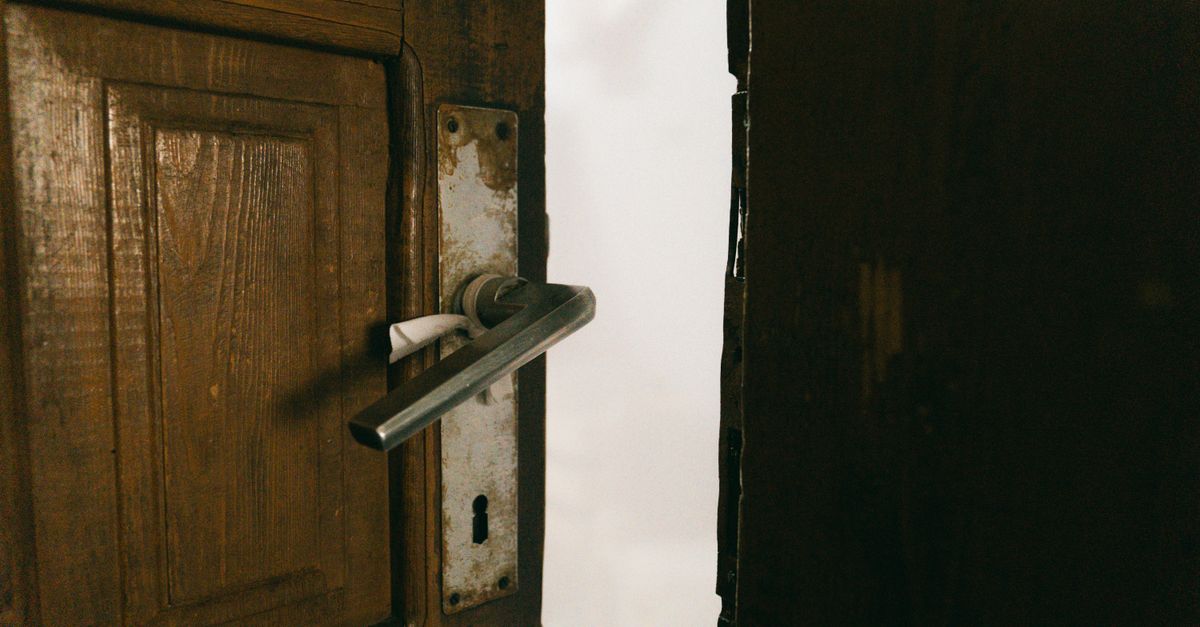
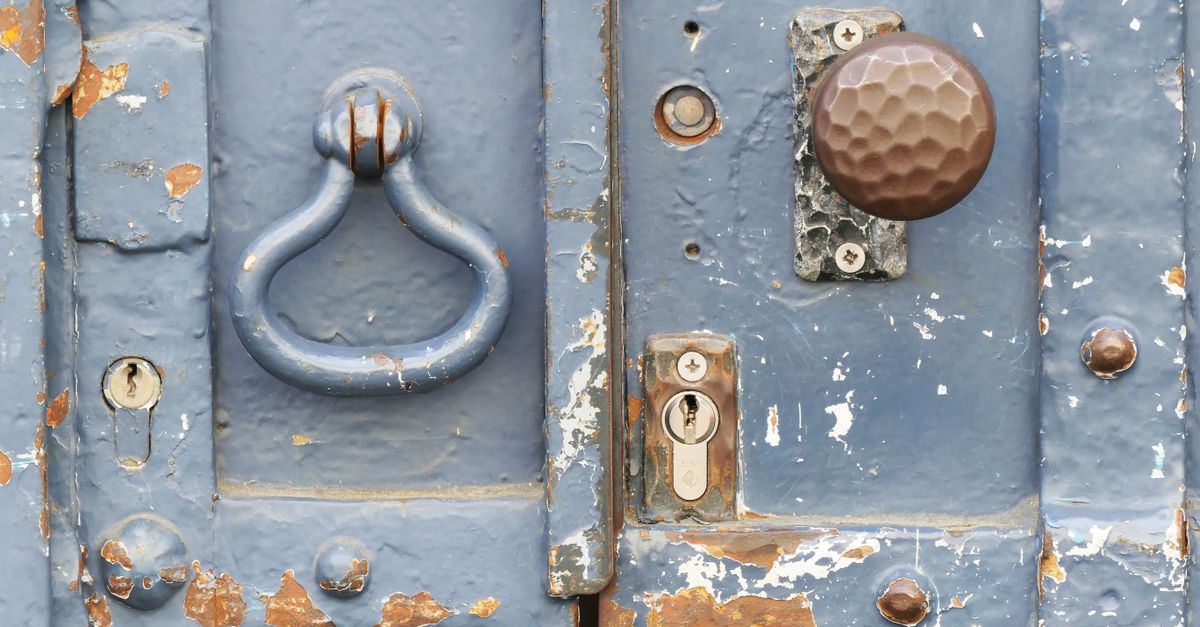
A knob lock that is simply old is not always an obvious safety risk — until it is. The warning signs tend to creep up: the latch bolt begins to drag against the strike plate, the cylinder gets harder to turn with a key each winter as the door frame swells, or the interior thumb-turn starts spinning freely without engaging the latch. In rental units and older single-family homes from Stapleton to Great Kills, we frequently find that a lock has been 'persuaded' open with extra force for so long that the internal cam or tailpiece is cracked. At that point, picking the lock is beside the point — the mechanism is simply broken and needs replacement. Other clear signals include visible corrosion on the face of the knob, a knob that wobbles on its spindle, or a door knob with lock for bedroom use that no longer provides even the basic privacy it was installed for.
Entry-door knob locks present a more urgent concern. Unlike a bedroom passage set, an exterior door knob with lock is part of your home's first line of defense. If the cylinder turns stiffly, the key feels loose in the plug, or the latch does not retract smoothly, your door may fail to latch securely even when you believe it is locked. That is not a minor inconvenience — it is a vulnerability. Our technicians assess whether the cylinder, the latch mechanism, or the full lock body needs attention, and they explain the finding in plain language before recommending a path forward.